What Counts as a Serious Breach of Trust in Flint, Michigan?

When a Trustee’s Mistake Becomes a Serious Breach of Trust in Genesee County Key Takeaways: A serious breach of trust in Flint involves conduct harming beneficiaries, defeating the settlor’s intent, or showing disloyalty, not simple clerical errors. MCL 700.1308(1) defines breach broadly as any violation of duty owed to a beneficiary, with seriousness measured by […]
How to Fund a Living Trust to Keep a Flint Estate Out of Probate

Why a Funded Trust Beats a Drawer Full of Good Intentions Key Takeaways: To keep a Flint estate out of probate, you must fund your living trust by retitling assets into your trustee’s name, because signing the trust document alone gives it no legal effect. Under Michigan’s Estates and Protected Individuals Code (EPIC), a funded […]
Is It Legal to Challenge a Trust for Undue Influence in Flint, Michigan?

Understanding Your Right to Challenge a Trust in Genesee County Key Takeaways: Yes, it is legal to challenge a trust for undue influence in Flint, Michigan, provided you have a valid legal basis and standing as an interested person under MCL § 700.7604. Undue influence occurs when someone in a position of trust overrides the […]
Can a Disinherited Child Contest a Parent’s Will in Flint, Michigan?

Understanding Your Rights When a Parent Leaves You Out of the Will Key Takeaways: A disinherited child in Flint, Michigan can often contest a parent’s will, but only with legal standing as an "interested person" under EPIC and a recognized legal ground backed by real evidence. Common grounds include lack of testamentary capacity, undue influence, […]
Does Michigan Charge an Inheritance Tax on a Flint Resident’s Estate?

Understanding Death Taxes When You Inherit in Flint Key Takeaways: Michigan does not charge an inheritance tax or estate tax on estates of Flint residents who died after September 30, 1993. The state’s inheritance tax applies only to decedents who died on or before September 30, 1993, and its estate tax is tied to the […]
What Is the 2026 Michigan Medicaid Asset Limit of $9,950 for Flint Seniors?

Understanding 2026 Michigan Medicaid Asset Limit Key Takeaways: The 2026 Michigan Medicaid asset limit of $9,950 is the amount of countable resources a single applicant may keep while qualifying for long-term-care Medicaid, effective January 1, 2026. Flint seniors must pass both this asset test and an income test capping monthly income at $2,982 for long-term-care […]
Is a Living Trust Better Than a Will for Avoiding Probate in Flint?

Understanding How Estate Plans Move Assets in Genesee County Key Takeaways: For Flint families focused on avoiding probate, a properly funded revocable living trust is often the better tool, because trust assets pass to beneficiaries without court supervision, while a will must go through probate. Michigan’s EPIC framework treats wills and trusts as structurally distinct […]
Can a Trust Be Contested After Death in Flint, Michigan?

Understanding Your Right to Challenge a Michigan Trust Key Takeaways: Yes, a trust can be contested after death in Flint, Michigan, but only by an "interested" party with proper standing, within strict deadlines, and on legally recognized grounds. The governing authority is the Michigan Trust Code within EPIC (Act 386 of 1998), with MCL 700.7604 […]
Who Can Contest a Will in Flint Under Michigan Probate Law?
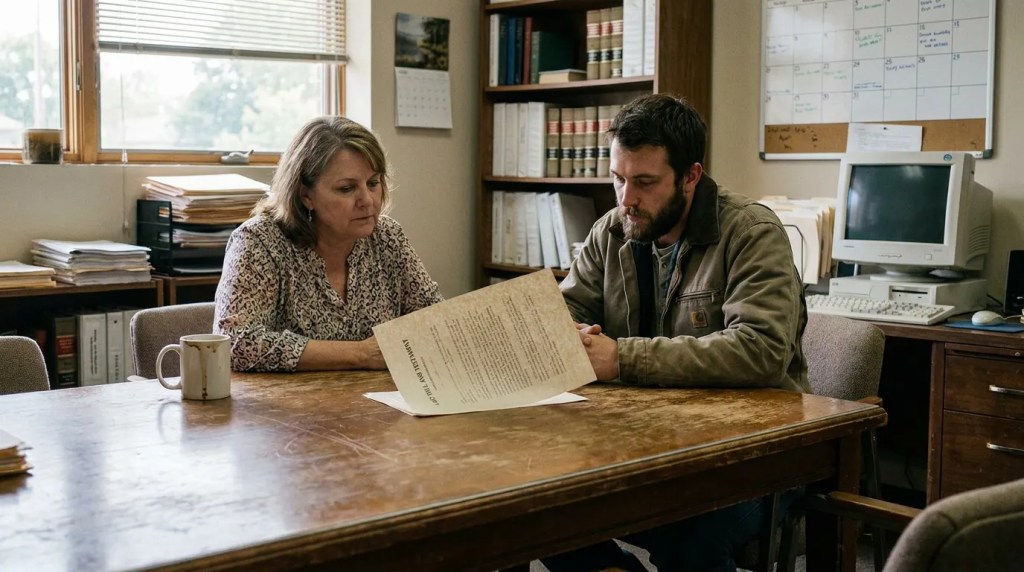
Understanding Your Right to Challenge an Estate Plan in Genesee County Key Takeaways: In Flint and Genesee County, the right to contest a will belongs to "interested persons", heirs, named beneficiaries, and those who would inherit without a valid will, under Michigan’s Estates and Protected Individuals Code (EPIC). Standing requires a recognized legal ground such […]
Why the 2026 Federal Estate Tax Exemption Is $15 Million for Flint Heirs

Understanding the 2026 Federal Estate Tax for Flint Families Key Takeaways: The 2026 federal estate tax exemption is $15 million per individual because Congress raised it through the One Big Beautiful Bill, enacted as Public Law 119-21 on July 4, 2025, which amended Internal Revenue Code § 2010(c)(3). For Flint heirs, this means nearly all […]